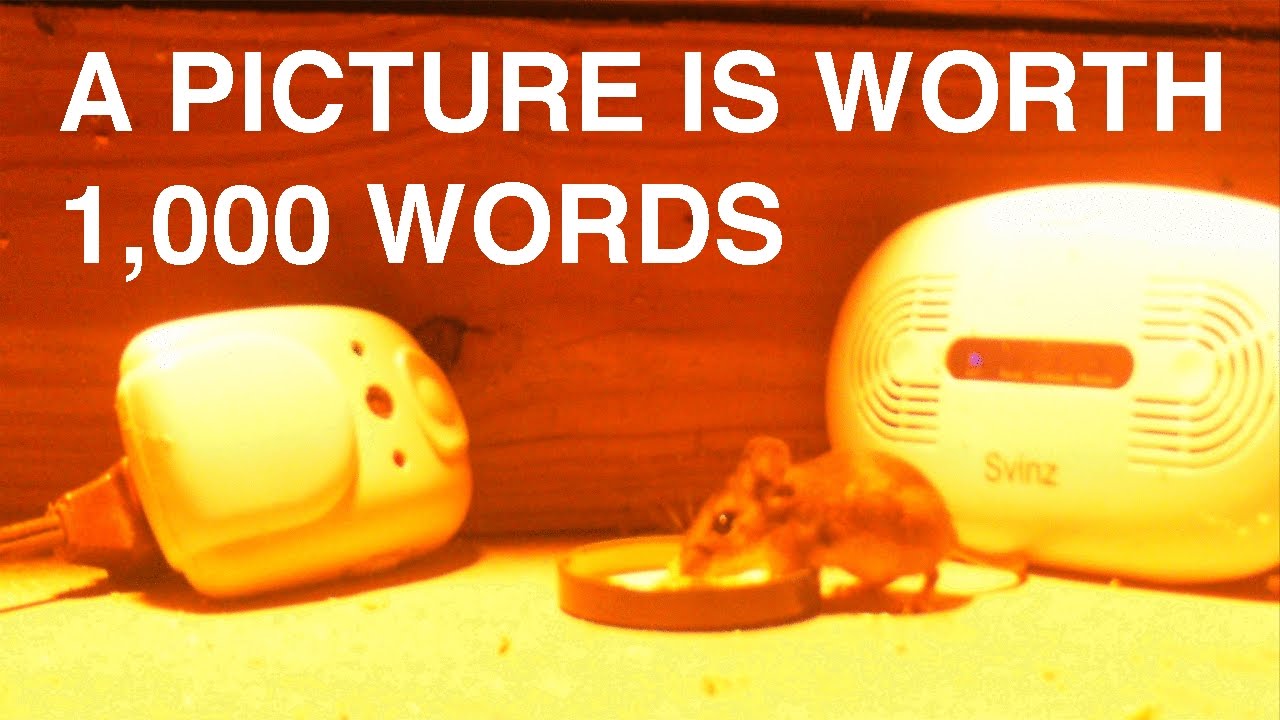
Ultrasonic mouse repellers are devices that emit high-frequency sound waves that are intended to deter mice from an area. These devices are often marketed as a humane and chemical-free way to repel mice. However, there is limited scientific evidence to support the effectiveness of ultrasonic mouse repellers.
Some studies have shown that ultrasonic mouse repellers can be effective in deterring mice in some cases. However, other studies have found that these devices have no effect on mice. The effectiveness of ultrasonic mouse repellers may depend on a number of factors, such as the type of mouse, the size of the area being treated, and the placement of the device.
If you are considering using an ultrasonic mouse repeller, it is important to be aware of the limitations of these devices. Ultrasonic mouse repellers are not a guaranteed solution for mouse problems, and they may not be effective in all cases. If you are having problems with mice, it is important to consult with a pest control professional to determine the best course of action.
1. Frequency
The frequency of the sound waves emitted by an ultrasonic mouse repeller is a critical factor in its effectiveness. Mice have a hearing range that extends beyond the range of human hearing, typically between 20 Hz and 90 kHz. To be effective, a mouse repeller must emit sound waves within this range.
If the frequency of the sound waves is too low, mice will not be able to hear it, and the repeller will not be effective. Conversely, if the frequency is too high, the sound waves will be inaudible to humans but may still be audible to other animals, such as dogs or cats.
The ideal frequency for an ultrasonic mouse repeller is between 25 kHz and 65 kHz. This range is high enough to be inaudible to humans but low enough to be within the hearing range of mice.
In addition to the frequency, the placement of the repeller is also important. The repeller should be placed in areas where mice are likely to travel, such as along walls or near food sources. The repeller should also be placed at a height of about 1 foot off the ground, as this is the level at which mice typically travel.
Ultrasonic mouse repellers can be an effective way to deter mice from an area. However, it is important to choose a repeller that emits sound waves within the hearing range of mice and to place the repeller in a location where mice are likely to travel.
2. Placement
The placement of an ultrasonic mouse repeller is crucial to its effectiveness. Mice are most likely to travel along walls and near food sources, so these are the ideal locations to place the repeller. By placing the repeller in these areas, you can increase the chances of the mice coming into contact with the sound waves and being deterred.
For example, if you are having problems with mice in your kitchen, you should place the repeller near the pantry or other areas where food is stored. You should also place the repeller along walls where mice are likely to travel.
If you are not sure where mice are traveling in your home, you can place the repeller in a central location and then monitor the repeller’s effectiveness. If you see a decrease in mouse activity in the area where the repeller is placed, then you know that you have found a good location.
It is important to note that ultrasonic mouse repellers are not a guaranteed solution to mouse problems. However, by placing the repeller in a strategic location, you can increase the chances of the repeller being effective.
3. Consistency
Consistency is a critical factor in the effectiveness of ultrasonic mouse repellers. Mice are creatures of habit and will quickly learn to ignore a repeller that is not used consistently. If the repeller is turned off or used sporadically, the mice will eventually become accustomed to the sound and will no longer be deterred by it.
For example, if you are using an ultrasonic mouse repeller in your kitchen, it is important to keep the repeller turned on at all times, even when you are not in the kitchen. If you only turn on the repeller when you are in the kitchen, the mice will quickly learn that the repeller is not a threat and will continue to enter the kitchen even when the repeller is on.
It is also important to use the repeller consistently in all areas where you are having problems with mice. If you only use the repeller in one area, the mice will simply move to another area where the repeller is not present.
By using the repeller consistently, you can increase the chances of the mice being deterred by the sound waves and staying away from the area.
Here are some tips for using an ultrasonic mouse repeller consistently:
- Choose a repeller that is designed for the size of the area you need to protect.
- Place the repeller in an area where mice are likely to travel, such as along walls or near food sources.
- Keep the repeller turned on at all times, even when you are not in the area.
- Use the repeller consistently in all areas where you are having problems with mice.
By following these tips, you can increase the effectiveness of your ultrasonic mouse repeller and keep mice away from your home.
4. Environment
The effectiveness of ultrasonic mouse repellers can be influenced by various environmental factors. Here are some key aspects to consider:
- Room Size: The size of the room can affect the propagation of sound waves. In larger rooms, the sound waves may become dispersed and less effective. Smaller rooms, on the other hand, may allow the sound waves to be more concentrated and effective.
- Temperature: Temperature can also affect the effectiveness of ultrasonic repellers. In cold environments, the sound waves may travel more slowly and be less effective at deterring mice. Conversely, in warm environments, the sound waves may travel more quickly and be more effective.
- Humidity: Humidity can also affect the effectiveness of ultrasonic repellers. In humid environments, the sound waves may be absorbed by water vapor, making them less effective at deterring mice.
It is important to consider the environmental factors of the area where you plan to use an ultrasonic mouse repeller. By understanding how these factors can affect the effectiveness of the repeller, you can make an informed decision about whether or not this type of pest control is right for you.
5. Species
The effectiveness of ultrasonic mouse repellers can vary depending on the species of mouse. Some species, such as house mice, may be more sensitive to the sound waves emitted by these devices, while other species, such as deer mice, may be less affected.
There are several factors that can contribute to this variation in sensitivity. One factor is the size of the mouse. Smaller mice, such as house mice, have smaller ears and are therefore more likely to be affected by the high-frequency sound waves emitted by ultrasonic repellers.
Another factor is the hearing range of the mouse. Mice have a hearing range that is much wider than that of humans. However, the upper limit of their hearing range varies depending on the species. House mice have a hearing range of up to 90 kHz, while deer mice have a hearing range of up to 45 kHz.
As a result of these factors, ultrasonic mouse repellers may be more effective at deterring house mice than deer mice. However, it is important to note that even within a single species, there can be variation in sensitivity to ultrasonic sound waves. Some mice may be more sensitive to these sound waves than others, regardless of their size or hearing range.
If you are considering using an ultrasonic mouse repeller, it is important to research the species of mouse that you are trying to deter. This will help you to choose a repeller that is likely to be effective.
6. Combination
Ultrasonic mouse repellers alone may not always be sufficient to completely eliminate a mouse infestation. Combining these devices with other pest control methods can increase their effectiveness and provide a more comprehensive approach to mouse control.
- Traps: Setting traps is a common and effective method for catching mice. There are various types of traps available, such as snap traps, live traps, and glue traps. Using traps in conjunction with ultrasonic repellers can increase the chances of catching mice that may not be deterred by the sound waves alone.
- Bait stations: Bait stations contain food or other attractants to lure mice into a trap. They can be used with either snap traps or live traps. By combining bait stations with ultrasonic repellers, you can entice mice into the traps and increase the likelihood of capturing them.
- Exclusion: Exclusion involves sealing up any holes or entry points that mice may be using to get into your home. This can be done using caulk, steel wool, or other materials. Exclusion is an important part of any pest control program, as it prevents mice from entering your home in the first place.
- Sanitation: Keeping your home clean and free of food debris can help to reduce the number of mice that are attracted to your property. Store food in sealed containers, clean up spills immediately, and regularly remove trash. Sanitation can be combined with ultrasonic repellers and other pest control methods to create a less hospitable environment for mice.
By combining ultrasonic mouse repellers with other pest control methods, you can increase the effectiveness of your pest control program and improve your chances of eliminating a mouse infestation. It’s important to note that no single method is 100% effective, so using a combination of approaches is generally the best strategy for controlling mice.
FAQs
Ultrasonic mouse repellers are devices that emit high-frequency sound waves to deter mice. While they are often marketed as a humane and chemical-free way to repel mice, there is limited scientific evidence to support their effectiveness. Here are answers to some frequently asked questions about ultrasonic mouse repellers:
Question 1: Do ultrasonic mouse repellers actually work?
There is limited scientific evidence to support the effectiveness of ultrasonic mouse repellers. Some studies have shown that these devices can be effective in deterring mice in some cases, while other studies have found that they have no effect. The effectiveness of ultrasonic mouse repellers may depend on a number of factors, such as the type of mouse, the size of the area being treated, and the placement of the device.
Question 2: Are ultrasonic mouse repellers safe for humans and pets?
Ultrasonic mouse repellers are generally considered safe for humans and pets. The sound waves emitted by these devices are typically above the range of human hearing, and they are not harmful to pets.
Question 3: How do I choose the right ultrasonic mouse repeller?
If you are considering using an ultrasonic mouse repeller, it is important to choose a device that is designed for the size of the area you need to protect. You should also consider the type of mouse you are trying to deter. Some ultrasonic mouse repellers are more effective against certain types of mice than others.
Question 4: Where should I place an ultrasonic mouse repeller?
The best place to place an ultrasonic mouse repeller is in an area where mice are likely to travel, such as along walls or near food sources. You should also place the repeller at a height of about 1 foot off the ground, as this is the level at which mice typically travel.
Question 5: How long does it take for an ultrasonic mouse repeller to work?
Ultrasonic mouse repellers do not work immediately. It may take several weeks for the devices to have an effect on mice. Be patient and consistent with the use of the repeller, and you may eventually see a reduction in mouse activity.
Question 6: What are some alternatives to ultrasonic mouse repellers?
If you are not sure whether an ultrasonic mouse repeller is right for you, there are a number of other pest control methods that you can try. These include traps, bait stations, and exclusion methods.
Summary: Ultrasonic mouse repellers are a popular pest control method, but their effectiveness is not guaranteed. If you are considering using an ultrasonic mouse repeller, it is important to choose a device that is designed for the size of the area you need to protect and to place the repeller in a location where mice are likely to travel. Be patient and consistent with the use of the repeller, and you may eventually see a reduction in mouse activity.
Next: Learn more about other pest control methods, such as traps and bait stations.
Tips on Using Ultrasonic Mouse Repellers
Ultrasonic mouse repellers can be an effective way to deter mice from your home or business. However, it is important to use these devices correctly in order to achieve the best results. Here are five tips for using ultrasonic mouse repellers:
Tip 1: Choose the right repeller for the size of the area you need to protect. Ultrasonic mouse repellers come in a variety of sizes and strengths. It is important to choose a repeller that is designed for the size of the area you need to protect. A repeller that is too weak will not be effective, while a repeller that is too strong may be harmful to pets or children.
Tip 2: Place the repeller in a location where mice are likely to travel. Mice typically travel along walls and baseboards. Place the repeller in an area where mice are likely to travel, such as near food sources or entrances to the home.
Tip 3: Keep the repeller plugged in at all times. Ultrasonic mouse repellers need to be plugged in at all times in order to be effective. Do not unplug the repeller when you leave the house or go to bed.
Tip 4: Be patient. It may take several weeks for ultrasonic mouse repellers to have an effect on mice. Do not be discouraged if you do not see results immediately. Continue to use the repeller consistently, and you will eventually see a reduction in mouse activity.
Tip 5: Combine ultrasonic mouse repellers with other pest control methods. Ultrasonic mouse repellers are most effective when used in conjunction with other pest control methods, such as traps and bait stations. By using a combination of methods, you can increase your chances of eliminating mice from your home or business.
Summary: Ultrasonic mouse repellers can be an effective way to deter mice. By following these tips, you can increase the effectiveness of your ultrasonic mouse repeller and keep mice away from your home or business.
Conclusion: If you are having problems with mice, ultrasonic mouse repellers are a humane and effective way to deter them. By following these tips, you can use ultrasonic mouse repellers to keep your home or business free of mice.
Conclusion
The effectiveness of ultrasonic mouse repellers is a topic of ongoing debate. Some studies have shown that these devices can be effective in deterring mice, while other studies have found that they have no effect. The effectiveness of ultrasonic mouse repellers may depend on a number of factors, such as the type of mouse, the size of the area being treated, and the placement of the device.
If you are considering using an ultrasonic mouse repeller, it is important to be aware of the limitations of these devices. Ultrasonic mouse repellers are not a guaranteed solution to mouse problems, and they may not be effective in all cases. It is also important to use ultrasonic mouse repellers in conjunction with other pest control methods, such as traps and bait stations, for the best results.
Ultimately, the decision of whether or not to use an ultrasonic mouse repeller is a personal one. If you are having problems with mice, you may want to try using an ultrasonic mouse repeller as part of a comprehensive pest control program. However, it is important to have realistic expectations about the effectiveness of these devices and to be prepared to use other pest control methods if necessary.